
Path to Peace: From Trauma to Transformation
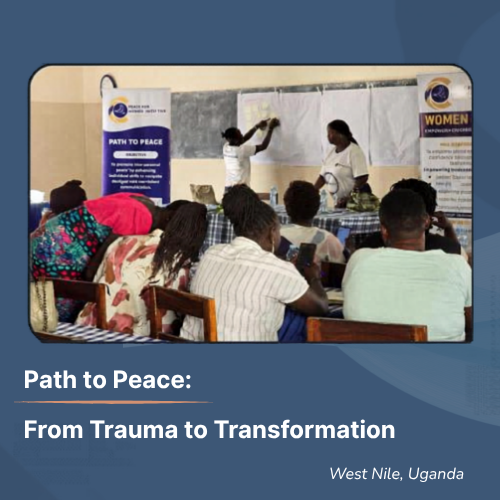
Charity Mukasa Aber is a dynamic and engaged young doctor with a passion for healthcare, peacebuilding, and connecting with her community. She holds a degree in Medicine and Surgery from Kabale University. Inspired by her experience growing up in a war-affected region, Charity is dedicated to fostering harmony and understanding in her community. She values learning, connection, and diversity, and strives to transform lived experiences into opportunities for growth and peacebuilding. Upon completing the 2025 Peace Practice Alliance, Charity used seed funding to collaborate with another PPA Alum, Abaru Peace on a peace project focused on strengthening community-based mental health and psychosocial support systems for refugees. The project emphasized peer-led counseling, psychosocial awareness, suicide prevention, and simple, adaptable peace practices. After completing Euphrates' Stories for Change course, Charity decided to write the story of this project and to share the experience and insights that emerged through this process with others.
Uganda hosts over 1.9 million refugees, many of whom are settled in the West Nile region. The participants in this program include both refugees and members of host communities, groups that have endured prolonged exposure to trauma, violence, displacement and instability. Refugees carry the psychological burden of war and forced migration, while host communities continue to grapple with the long-term effects of insurgencies such as those linked to the Lord’s Resistance Army (LRA). These overlapping experiences of hardship create significant challenges for peacebuilding, including unresolved trauma, heightened emotional stress, mistrust and the daily strain of poverty. In such environments, sustaining peace is difficult, as immediate survival needs often take precedence over reflective and constructive communication. It is from this shared history of pain and resilience that my colleague and I developed Path to Peace.
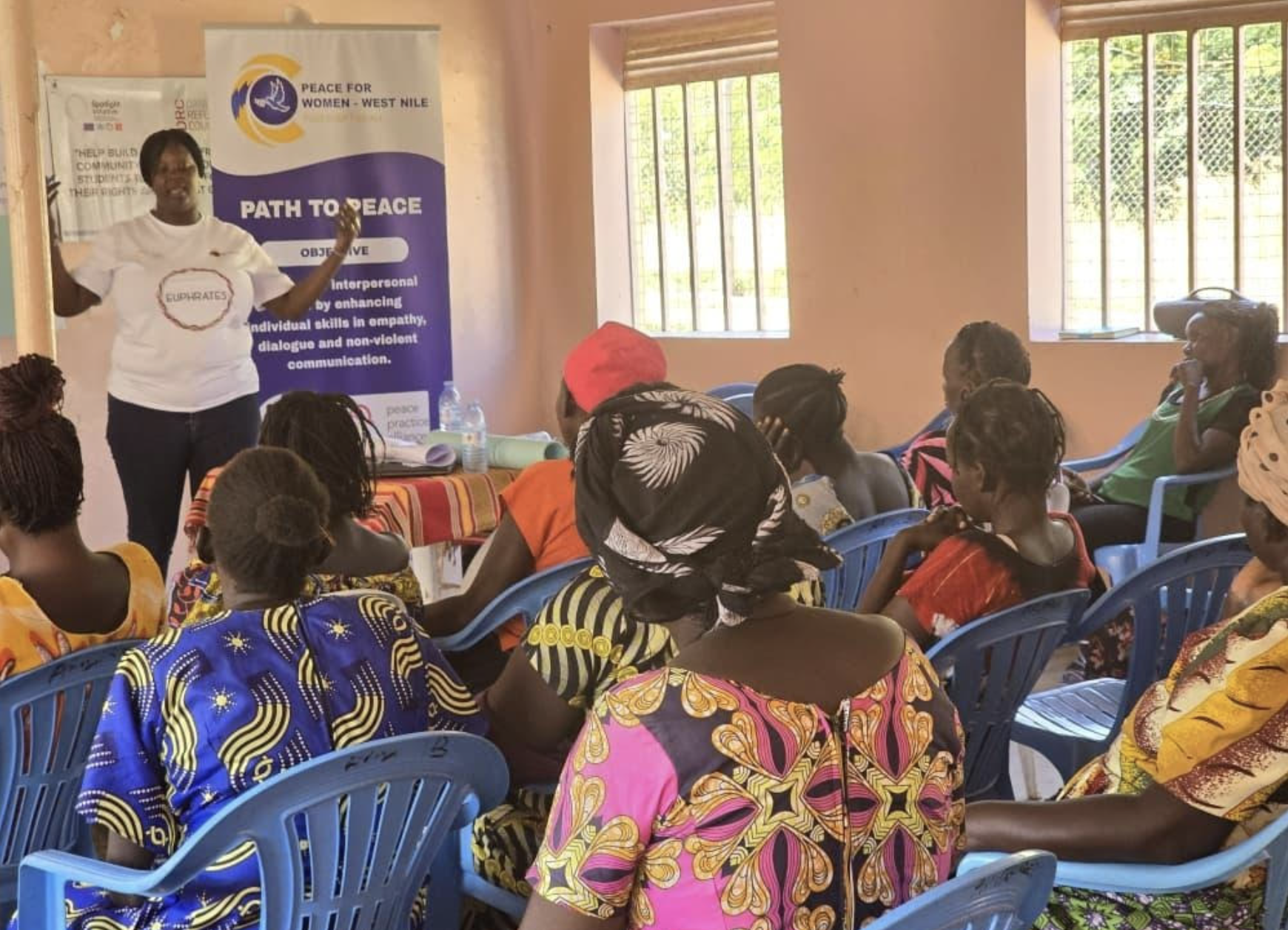
Path to Peace is an initiative designed to share simple, practical peacebuilding tools with both refugees and host communities. The program promotes trauma healing, mental well-being and psychosocial support through teachings on personal peace and Non-Violent Communication (NVC). By encouraging self- awareness, emotional regulation and empathetic listening, these practices help participants respond to conflict more calmly and thoughtfully. As individuals begin to cultivate inner peace and communicate without blame or aggression, their relationships improve, reducing conflict within families and strengthening trust across the community. In this way, personal transformation becomes a foundation for broader social cohesion and lasting peace. Through the months of January, February and March, participants were interviewed to understand what changes, if any, they had experienced after participating in the program. These interviews revealed deeply reflective and inspiring outcomes.
A vast majority reported meaningful positive changes in their daily lives, including actively attending to their personal peace and using NVC. One participant shared that her use of NVC has transformed her marriage, misunderstandings with her husband have reduced significantly. As she adopted a gentler approach, he too began to respond with greater calm and understanding.
Another participant observed that, since the program, women are happier seeking each other’s counsel and helping each other. In fact, she noted she has helped about 5 other women who came to her seeking counsel on issues with their marriages by teaching them about personal peace and NVC. While they were initially skeptical, they all returned to her after noticing the wonders this practice was doing in their marriages.
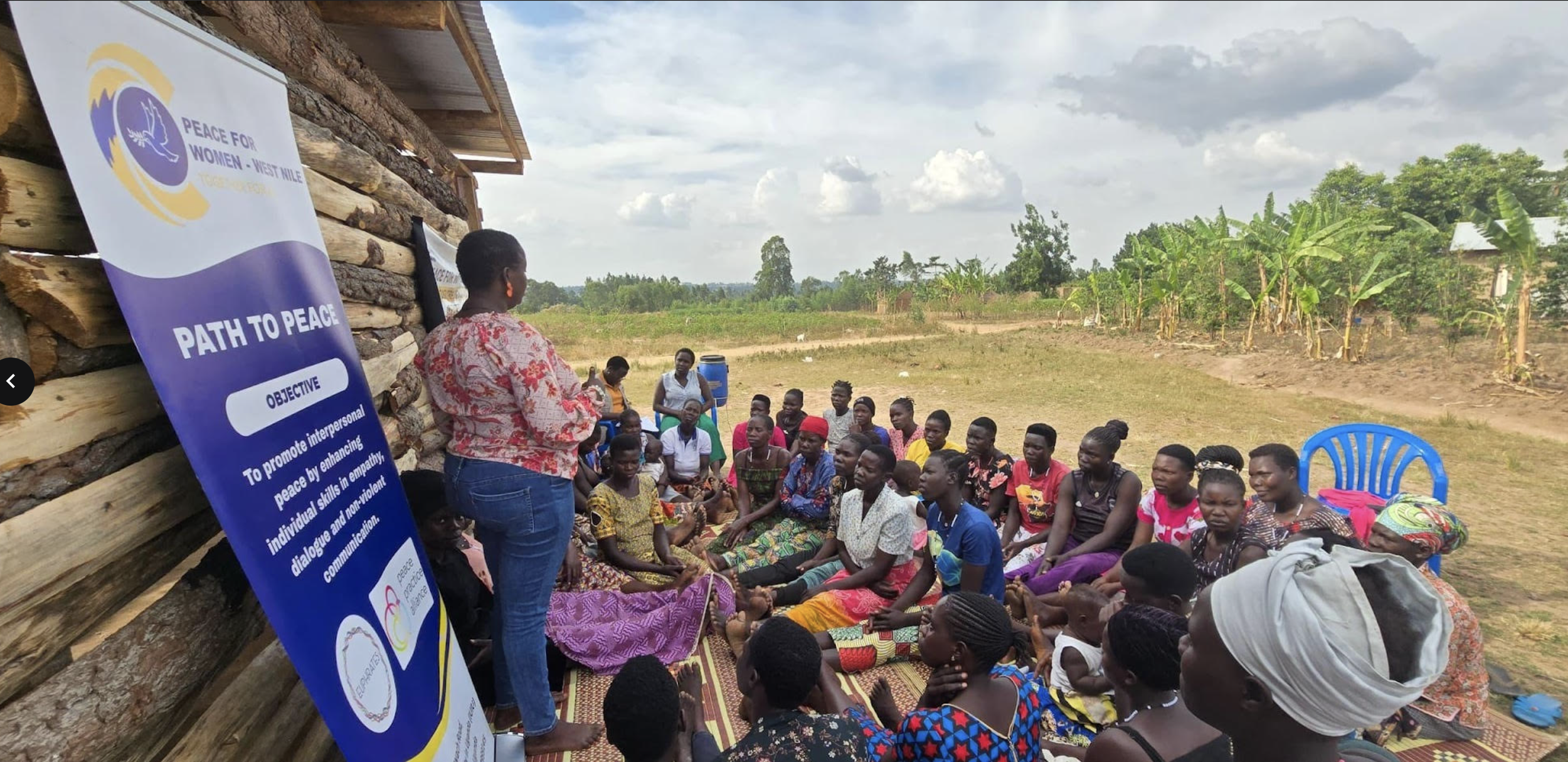
As Comfort put it, “For peace to reign at home, it has to start with yourself, you need to self-reflect”. Another participant shared that it was hard to overcome all the stored anger she felt, but self-forgiveness and controlling her temper have seen her move forward and she has been able to use her new knowledge to support other women.
Many participants are actively practicing what they learned in the Path to Peace program and, while they understand that peacebuilding is a slow process that should be taken one day at a time, they are already seeing positive changes in their daily lives. For individuals and a community deeply affected by trauma and violence, this is an important step towards healing and peace.
These trainings have proven deeply transformative and participants value peacebuilding practices, yet many struggle to apply them consistently due to poverty and unmet basic needs. Persistent stress from food insecurity, lack of essential supplies and health challenges such as poor menstrual hygiene undermines emotional resilience. In such conditions, reactions tend to be immediate, and communication can become tense or confrontational.
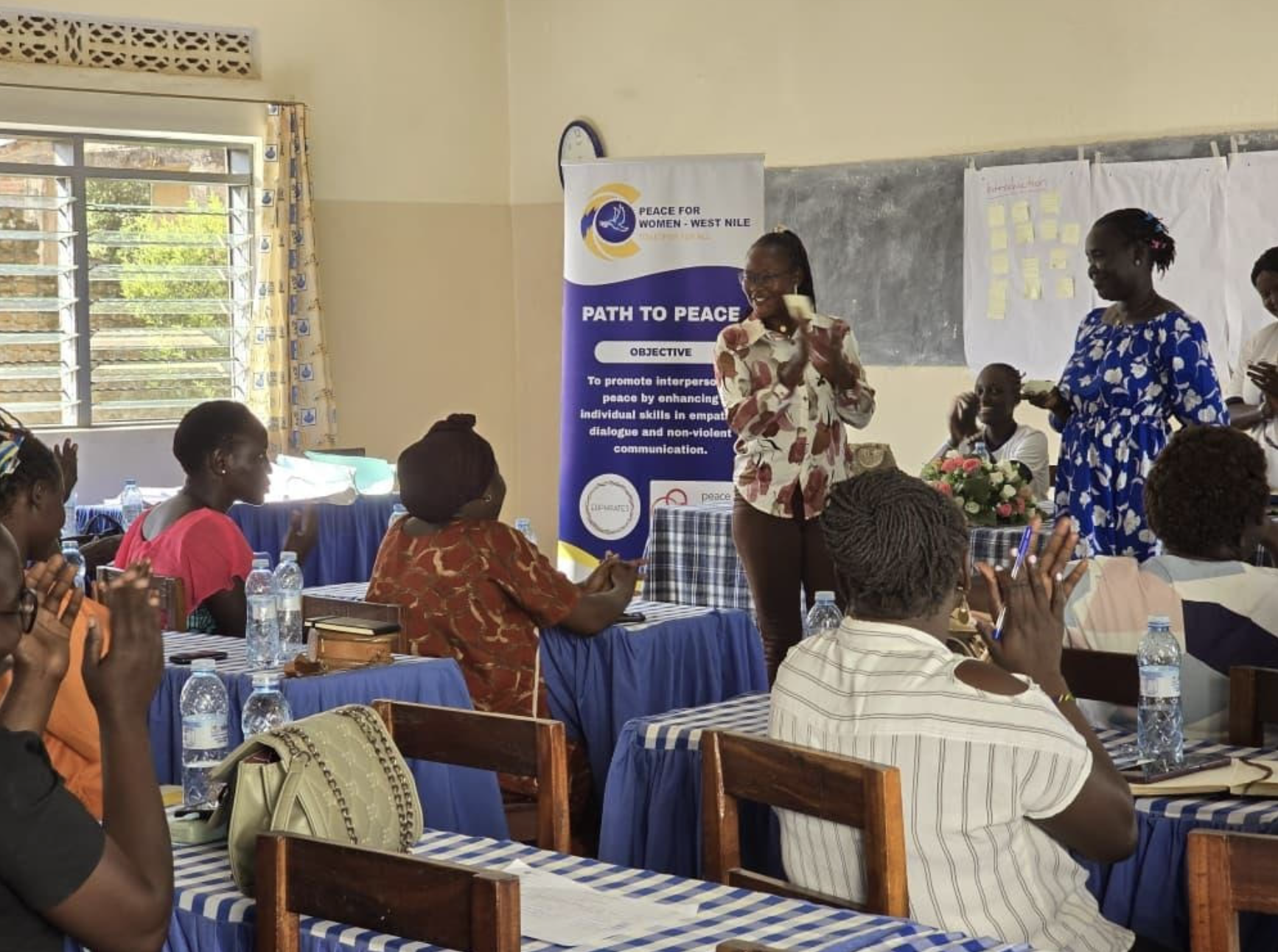
During one session, a participant expressed this reality with raw honesty: “How can we practice peace when we cannot even afford sanitary materials, nor food for our families?” This underscores a critical insight: while the desire for peace exists, sustaining it requires more than knowledge, it demands practical support that alleviates daily pressures.
Additionally, participants noted that practicing peace is difficult when others in the community are unfamiliar with these concepts. Peacebuilding, therefore, must extend beyond individuals to the broader community. With sustained financial support, this initiative can expand to reach more refugee and host communities across the country, include diverse groups of participants, deepen healing efforts and integrate peacebuilding with practical health and livelihood solutions.
In conclusion, there is a clear and urgent need to scale up peacebuilding efforts through continued trainings, inclusive community dialogues and long-term engagement. Path to Peace should not be a one-time intervention, but a sustained journey toward trauma healing, resilience and lasting transformation.