
Pathways of Courage: From Reflection to Action
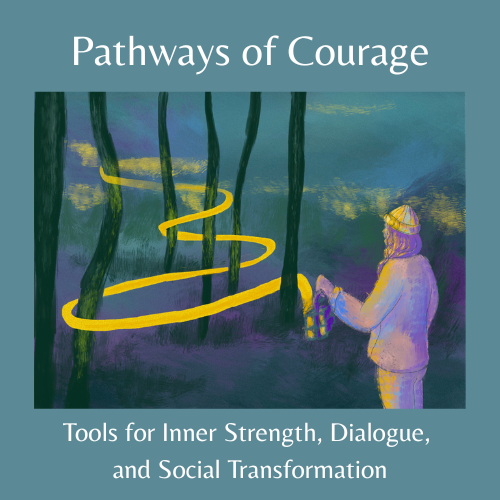
This winter, Euphrates Institute piloted a new course born out of a very real question: What kind of courage does our time require?
In a world shaped by division, urgency, and the persistence of “might makes right,” Pathways of Courage emerged as an invitation to pause, to reflect, and to respond differently. We gathered a group of participants from across North America to explore the principles of Ahimsa, Ubuntu, global nonviolence, and civil resistance movements, not as abstract ideas, but as living practices.
Each Tuesday in February and March, a community of peacebuilders came together to learn, question, and grow. The course, Pathways of Courage: Tools for Inner Strength, Dialogue, and Social Transformation, offered space to navigate conflict and injustice with clarity, compassion, and courage.
Through a thoughtful blend of inner work and real-world application, participants engaged practices that strengthened emotional awareness, deepened listening, and revealed how our inner landscape shapes how we meet the world. As we explored both well-known and lesser-known movements of nonviolent change, a powerful thread became clear: personal transformation and collective transformation are deeply connected.
This was not a course about ideas alone. It was about embodiment. As this inaugural cohort comes to a close, what continues is not just a program, but a practice, carried forward by each participant, in their own way, into the world.
We invite you to read reflections from two the class participants below.
Voices from the Journey
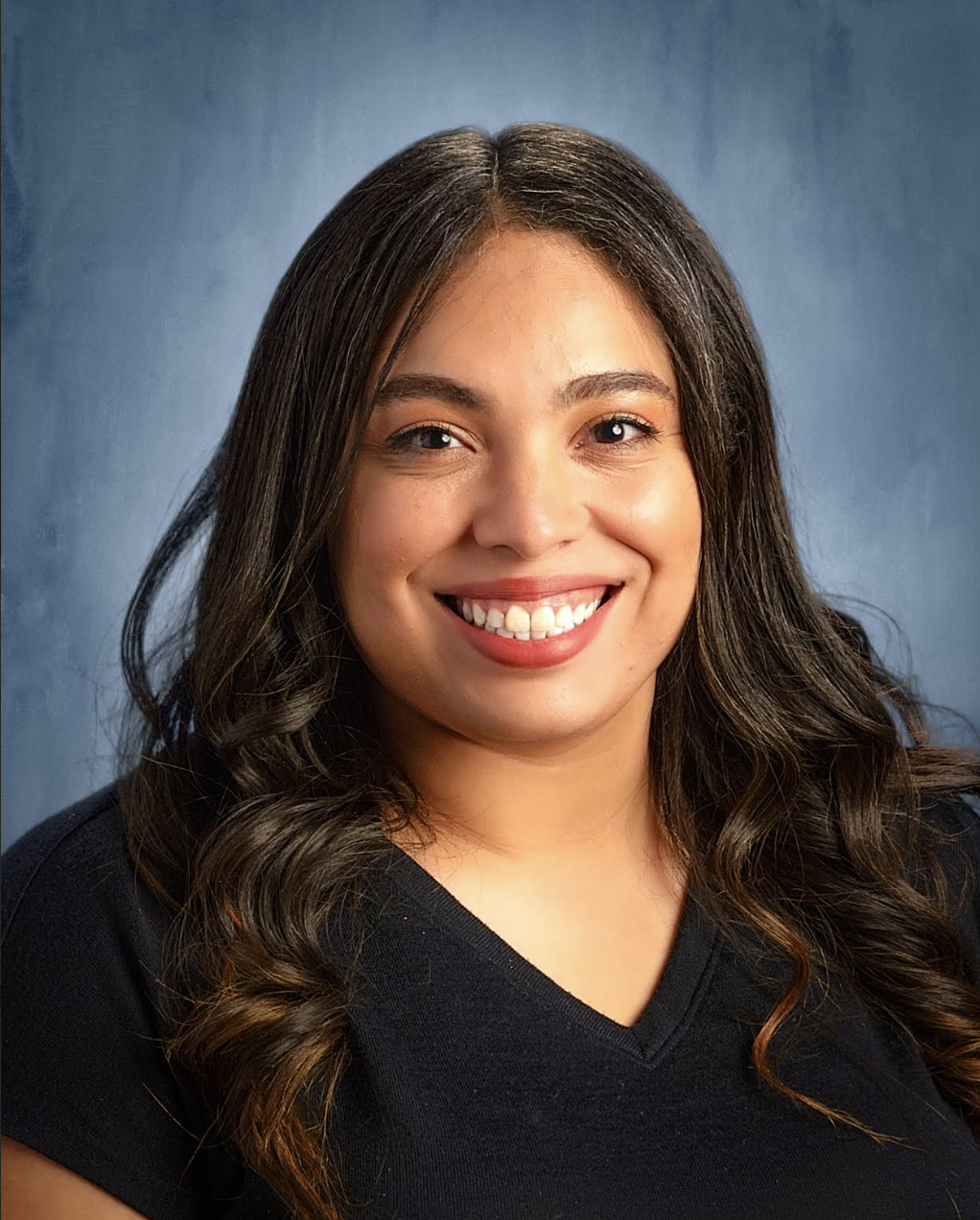
The Euphrates Institute's Pathways to Courage 8-week course, facilitated by Fran Faraz, invited me into a deeper understanding of courage, not as something loud or performative, but as consciousness in action. I came into this experience as a professional development opportunity provided by HomeWorks Trenton. My goal was simple: to understand restorative justice frameworks and acquire tools to serve my community of scholars in a boarding school environment. Over the 8 weeks, I realized that courage is not only about speaking up or taking bold action. It is also about telling the truth about what is happening within me, staying present with discomfort, and choosing dignity over reaction.
One of the most meaningful lessons for me occurred on the first day: accountability is a form of love. That idea challenged me. It pushed me to see that holding people accountable does not have to come from punishment, resentment, or superiority. It can come from care, honesty, and a desire for repair. I began to understand that love and justice are not opposites. In fact, they belong together, and peacemakers strive to make it synonymous. This shifted the way I think about conflict, relationships, and what it means to lead with moral clarity and strength among family, friends, colleagues, and scholars.
Moreover, our conversations around anger were especially transformative for me. I learned to see anger not as a failure or something to suppress, but as a signal that something deeper needs attention. As Fran explained, "anger is not a root emotion; it is often a protective response to fear, pain, powerlessness, moral injury, or unmet dignity." That insight gave me language for my own experience. I recognized how, in moments when I felt invisible, dismissed, or treated in ways I would never treat others, anger was alerting me that my dignity felt threatened. For me, restoration meant not avoiding those feelings, but naming them honestly and holding others accountable in love before chronic fear hardened into resentment.
This class also expanded my understanding of nonviolence. I no longer see nonviolence as passivity or simple kindness. I see it as discipline, inner work, strategic action, and a commitment to non-harm that begins within and extends outward into relationships, systems, and the world. Learning about Ahimsa, Ubuntu, empathic leadership, and the different forms of violence helped me recognize how harm can be direct, structural, cultural, internal, and ecological. This course also showed me that peace is not shallow avoidance. Peace requires truth, courage, boundaries, and the willingness to transform what harms.
The framework of nonviolent communication gave me practical tools for living this out. I was reminded that people want connection, belonging, cooperation, and peace, even when conflict makes that hard to see. Learning to separate observations from judgments, to name feelings honestly, to understand the needs beneath them, and to make clear requests gave me a more grounded way to approach difficult conversations. I was especially impacted by the reminder to lead with curiosity, avoid absolutes, and speak from values instead of verdicts. That feels like a necessary practice for both leadership and love.
Another lasting takeaway for me was the distinction between power over, power with, and power within. I reflected on how often harmful systems depend on domination, obedience, and fear, while sustainable change grows through shared humanity, collective courage, and inner steadiness. This helped me think differently about leadership. I aspire to be someone who leads with empathy and clarity, who protects dignity through healthy boundaries, and who remains peaceful even across differences and disagreement. I want to practice the kind of courage that does not combat, but clarifies.
Ultimately, this class helped me see that unexamined anger is the opposite of peace, and that courage is the bridge between pain and responsibility. It taught me that closing divides is not about eliminating conflict or pretending everything is okay. It is about asking what dignity, safety, truth, or belonging is being starved, and then choosing to respond in a way that restores humanity. I leave this class with a deeper commitment to courageous dialogue, empathic leadership, nonviolence, and accountable love. More than anything, I leave with a stronger sense that peace is not passive. It is practiced, protected, and built through daily acts of courage.
-Whitney Worthy
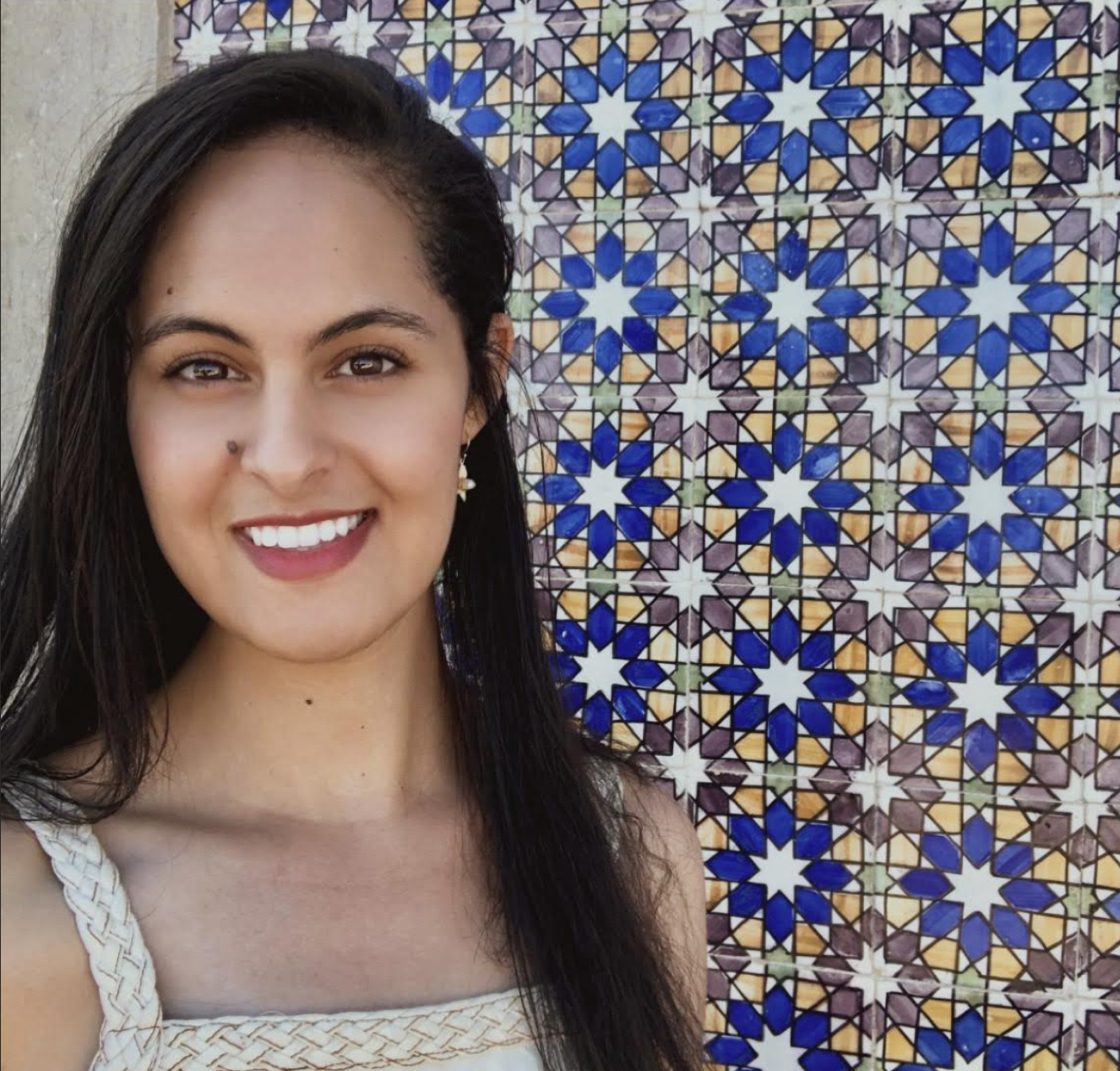
There is a TedTalk by Malcom Mitchell that talks about how our environments often test who we are and compares stress in life to a boiling pot of water. The speaker said we can either be like a carrot that weakens in the boiling water, like an egg that hardens, or like a coffee bean that transforms the surrounding water. In short, this course is a pathway to being like a coffee bean.
Pathways of Courage is a healing course. It invites us to put down anger, learned helplessness, confusion, pride, and isolation and instead cultivate a grounded inner peace that influences our external world with practical, effective, and ethical actions. While the tools for dealing with emotions like anger were extremely practical, evidence-based, and helpful, it was the conversations on nonviolence that truly made an impact because they provided hopeful and constructive paths for harnessing such unfocused energy. I learned that the truly courageous who go on to be massive agents of change in this world, are often those who begin with honest self-examination and accountability - being courageous with themselves first and then go on to show others how to do the same. It is empowering to realize just how much agency you truly have when you stop outsourcing power. Fran showed us how time and time again leaders in nonviolence and civil rights proved this to be true, and she humbly invited us to consider how it could be true for us as well. It is a course that provokes thought well beyond the 8 weeks of class. If you are still considering it, sign up!