
“When one woman rises in peace, she lifts others with her.”
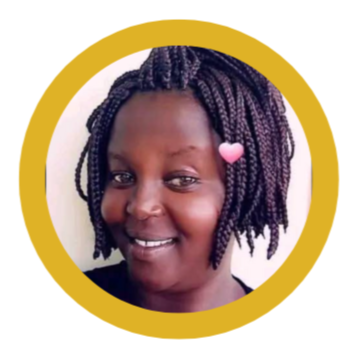
Abaru Peace is a feminist peacebuilder and women’s rights advocate from Uganda’s West Nile region whose work is rooted in lived experience, courage, and a deep commitment to justice. Growing up in Arua, she witnessed firsthand how gender discrimination and inequality fracture families and communities. Those early experiences shaped her conviction that peace is not merely the absence of conflict, but the presence of dignity and inclusion for women and girls.
As the founder of Peace for Women–West Nile, Abaru leads community-based initiatives that create safe spaces for women to heal, build leadership skills, and reclaim their voices. Peace embodies leadership grounded in empathy, resilience, and action. Her story is a powerful reminder that when women rise, peace ripples outward, transforming communities and shaping a more just world.
We interviewed Peace to learn more about her journey into peacebuilding, the lived experiences that shaped her, and her vision for the world. We invite you to learn more about Peace, and to reflect on how peace takes root when voices long silenced are heard. May her story encourage you to listen deeply to others’ truths and to find the courage to speak and live your own.
[The full interview has been edited for length and readability.]
Do you consider yourself a peacebuilder? Why or why not?
Yes, I do. Peacebuilding is at the heart of who I am and everything I do. My life’s mission has been to create safe and inclusive spaces where women and girls can live free from violence and inequality. Growing up in West Nile particularly Arua, I witnessed firsthand the pain that gender discrimination bring to families and communities. The experiences shaped my resolve to build peace through empowerment and equality. I believe peace begins when women’s voices are valued and included in decision-making.
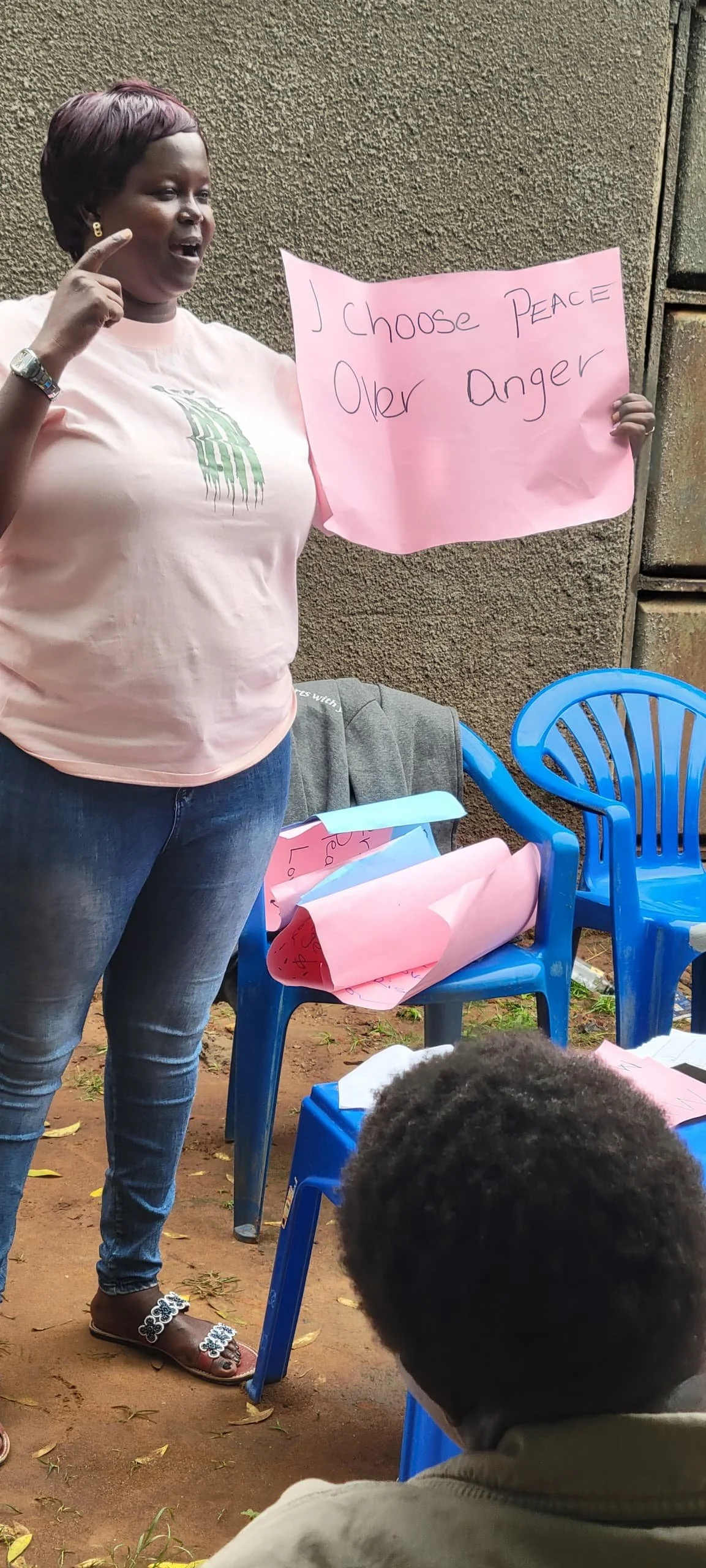
How did you find yourself involved in your current work / peacebuilding work? Who or what inspired you? Do you have an origin story or a moment when you saw your path in peace?
My journey into peacebuilding was born out of lived experiences of injustice and the realities of women’s struggles in my community. I saw how silence, fear, and inequality held back many women, and I knew something had to change. The turning point came when I realized that peace is more than the absence of war, it is the presence of justice, respect, and equal opportunity. This realization inspired me to found Peace for Women–West Nile to amplify women’s voices and advance gender equality in line with Sustainable Development Goal 5 and 16.
What was it that motivated you to become an agent of change, a peace leader - was it for you to help yourself or to help others or something else?
My motivation came from a mix of personal healing and the desire to help others. I wanted to transform pain into purpose, to turn my experiences and those of other women into fuel for change. I believe that when one woman rises in peace, she lifts others with her. That conviction continues to inspire me to work for a world where all women and girls can live in dignity and peace.
As you faced challenges, what helped you move forward in your path? Do you have any experiences that affirmed your desire to keep going?
The journey has not been easy. I have faced challenges such as limited resources and funds, cultural barriers, and moments of doubt. But faith, resilience, and the solidarity of other women have kept me moving forward. Every time I witness a woman rediscover her confidence or a community begin to embrace gender equality through our Women Rise sessions, I feel affirmed that this path is worth every effort. Those moments remind me that change, though slow, is possible.
Do you have a specific area of focus in your work (youth, education, women, environment, etc.)?
Yes. My work primarily focuses on women’s empowerment, gender equality, and peacebuilding. I also engage men and boys as allies in promoting gender justice and peaceful coexistence.
What does your work as a peace leader look like in your current context? Share examples of workshops, events, initiatives, or daily work.
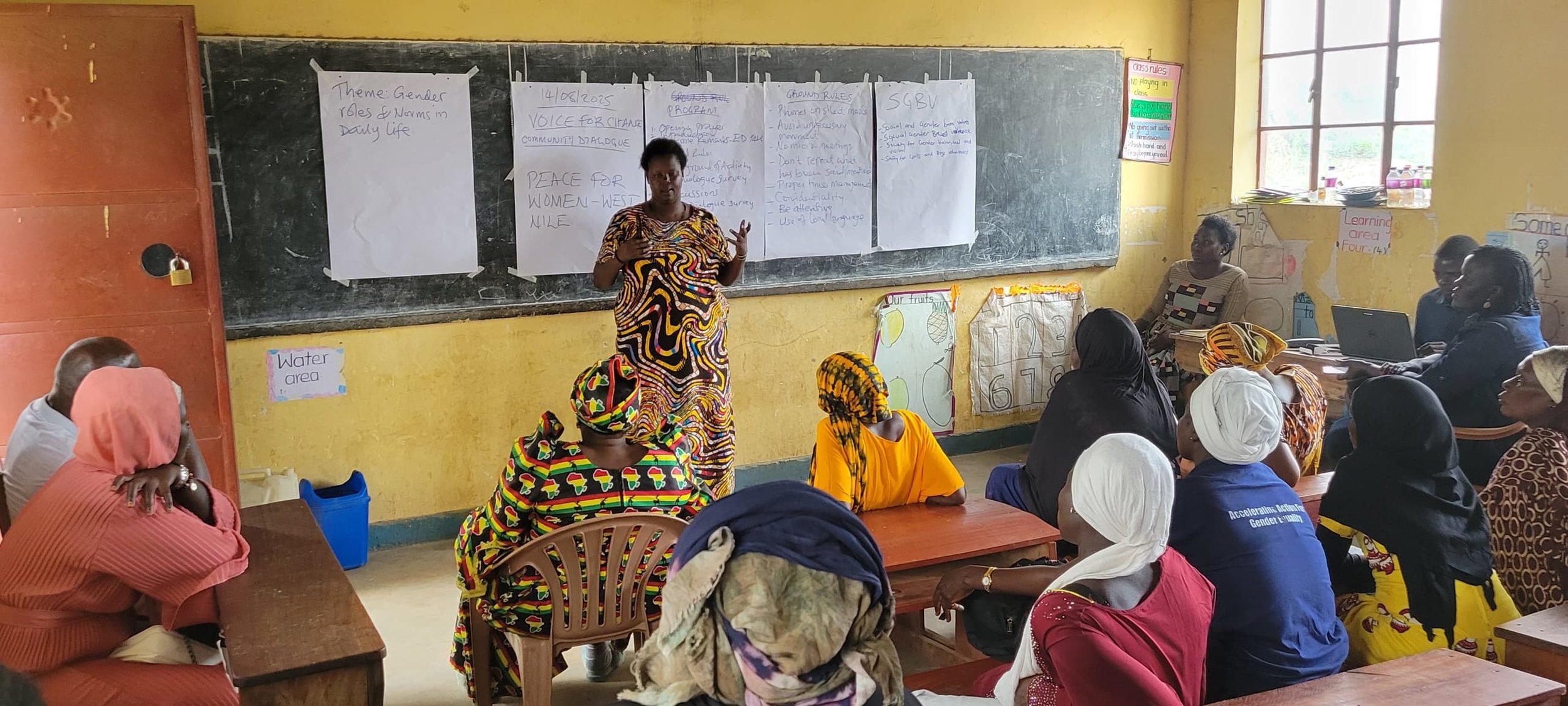
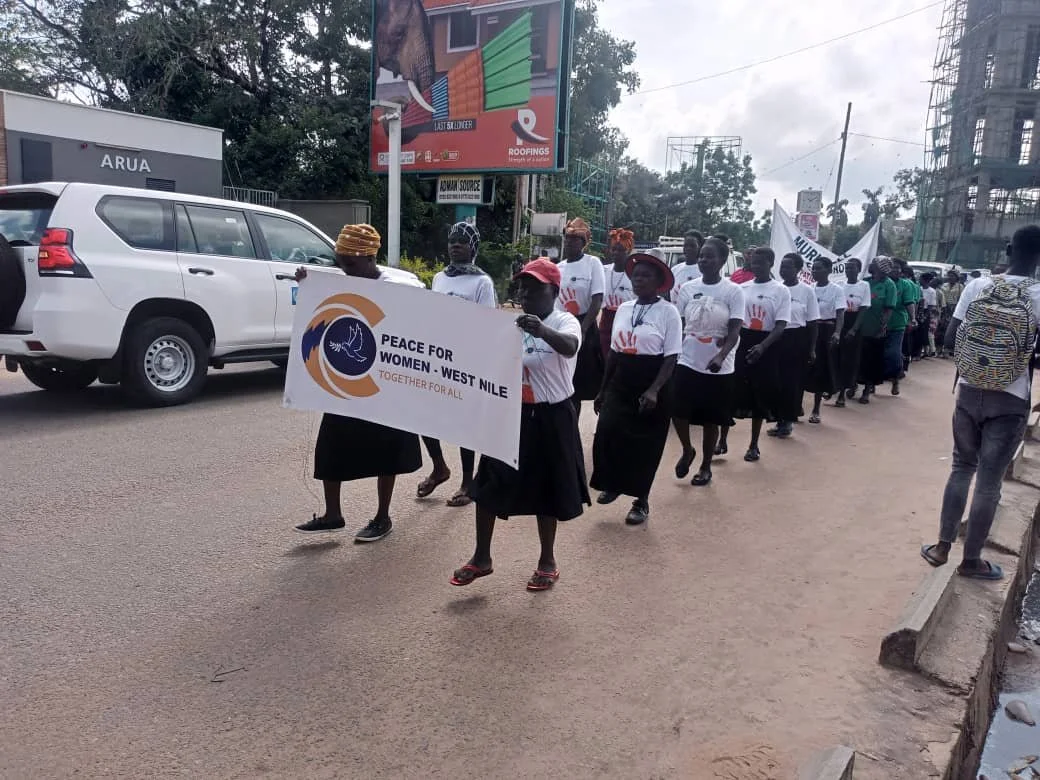
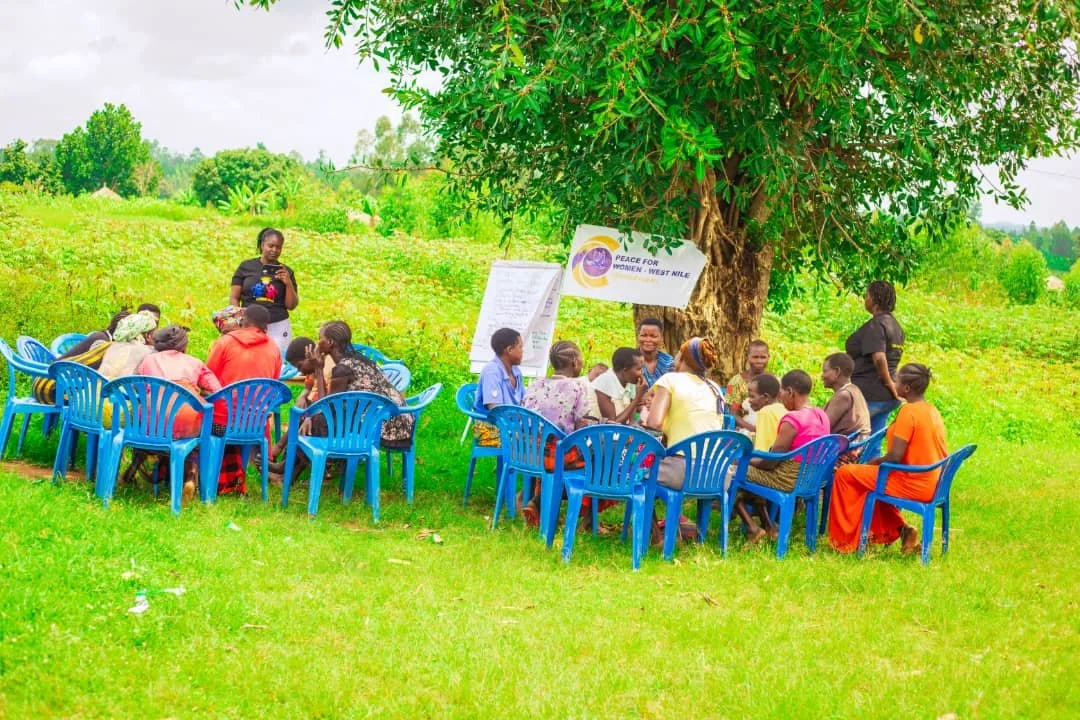
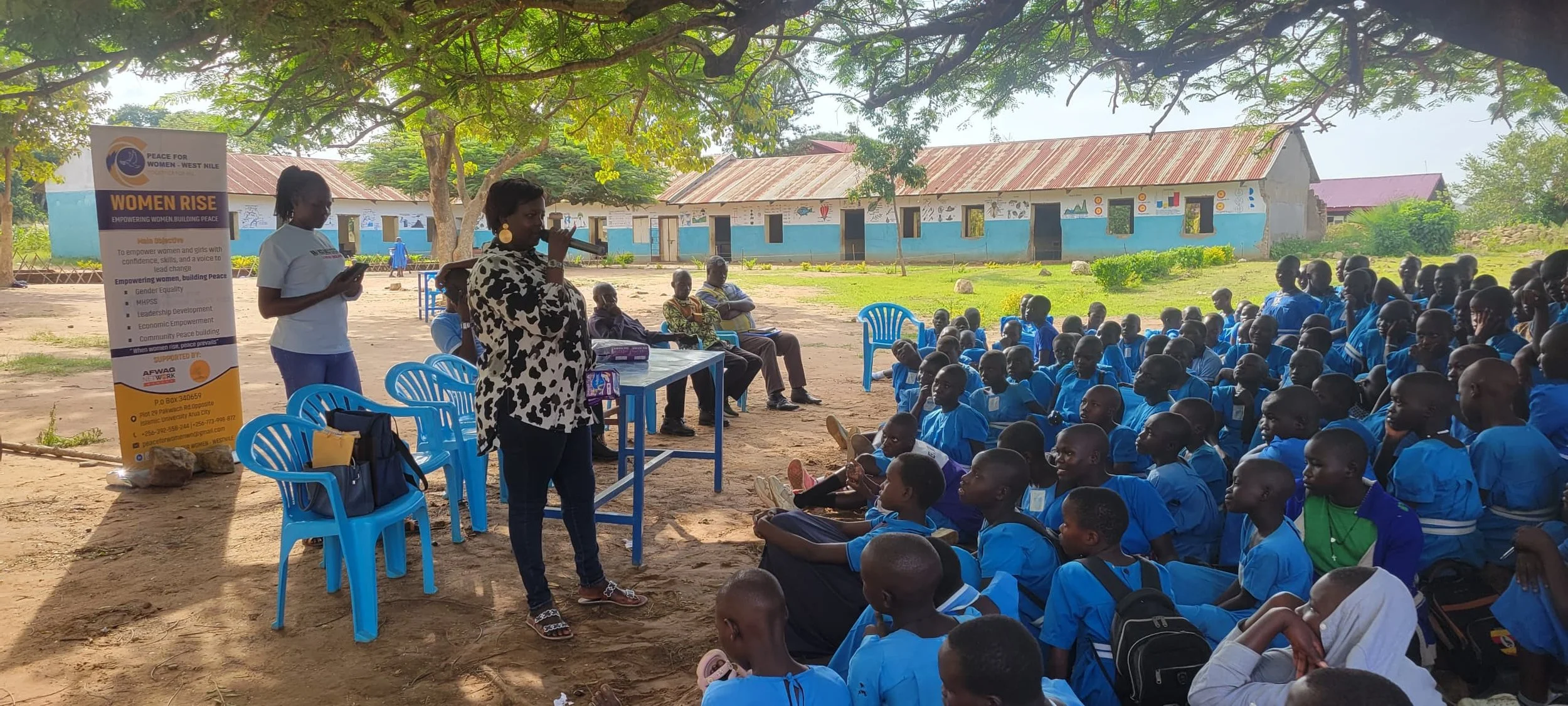
As a peace leader, my work involves advocacy, mentorship, and community dialogue. Through our Women Rise and girl shine programs, we facilitate safe spaces where women come together to share, heal, and build leadership skills. We also run gender awareness campaigns, train community leaders on conflict sensitivity, and promote feminist humanitarian action in partnership with like-minded organizations. My daily work is rooted in connecting, listening, and empowering others.
What are you most proud of in terms of your peacebuilding work so far?
I am most proud of seeing transformation, women who once felt voiceless now leading in their communities and standing up for their rights and also building partnership with refugee-led organizations to promote peaceful coexistence between hosting communities and refugees. Founding Peace for Women–West Nile and seeing it grow from a small initiative into a recognized platform for women’s rights and promoting peace is one of my greatest accomplishments. Each story of change, no matter how small, is a powerful reminder that the work matters.
How would you define peace leadership and explain what it means to you?
Peace leadership is about leading with empathy, courage, and justice. It is the ability to influence positive change through compassion and dialogue rather than power or fear. To me, a peace leader is one who listens, bridges divides, and empowers others to find their voice and strength in the journey towards peace.
What, if any, regular practices do you have to foster peace in yourself?
I nurture peace within myself through self-reflection, prayer, and gratitude. Taking time to pause and reconnect with my purpose helps me stay grounded. I also find peace through service-helping others is my form of meditation, and it restores my inner balance.
What keeps you in this work and motivates you to continue?
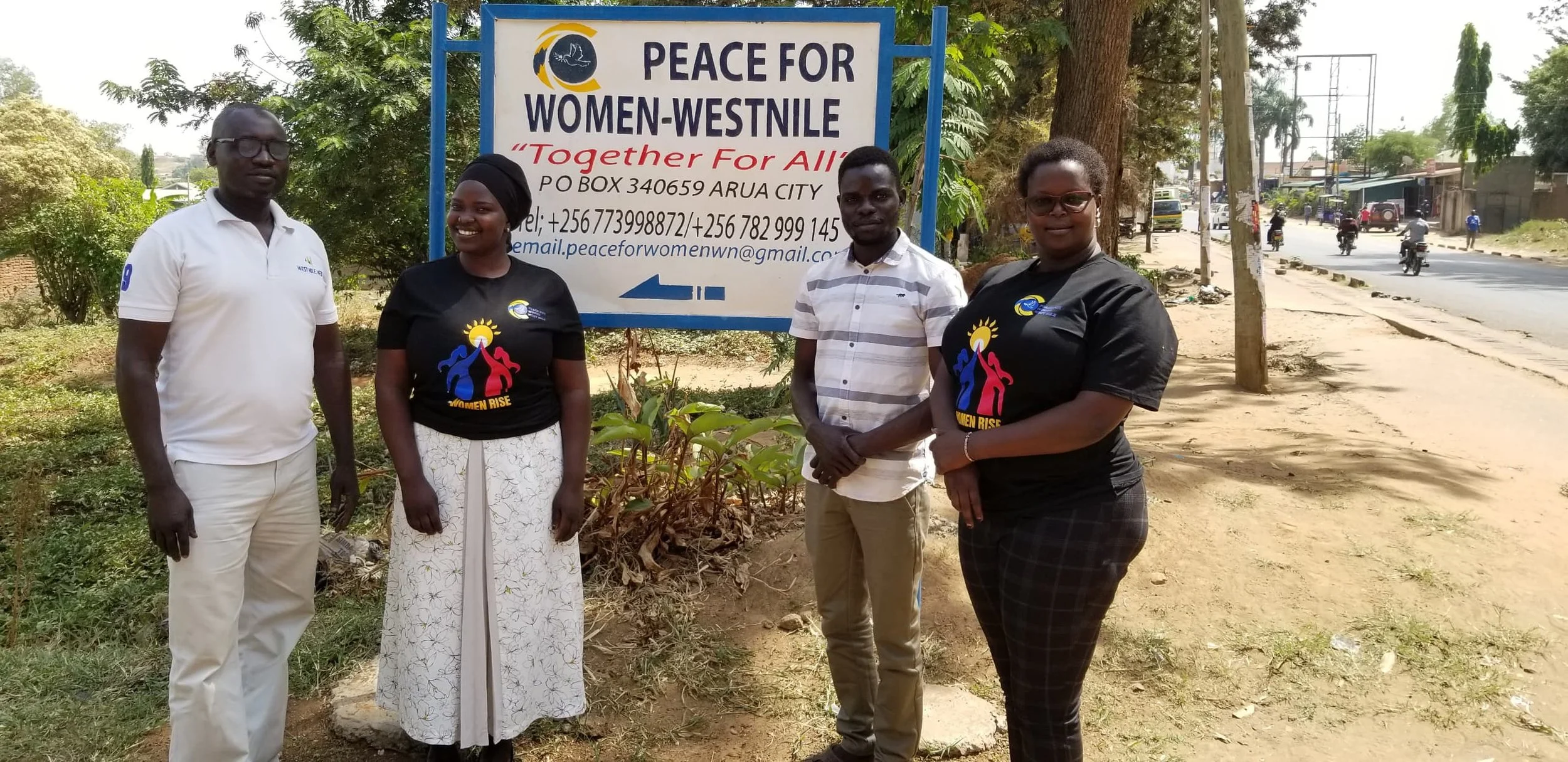
What keeps me in this work is hope and integrity — the unwavering belief that a peaceful and equal world is possible. The women I meet, their resilience and they accept to live by their values and accept the fact to heal, and their courage fuels my determination. The capacity building trainings I received from Peace Practice Alliance (PPA) and experience sharing throughout the fellowship has also motivated me to continue with my work with strong confidence. Each success story, no matter how small, is a victory for peace and justice.
What vision do you hold for yourself, your community, your organization, and beyond?
My vision is to see a world where women and girls live in dignity, equality, and peace. I dream of communities where women are given opportunities to make decision-making and where peace is built on inclusion and justice. For Peace for Women–West Nile, I envision it growing into a strong regional platform for feminist peacebuilding and leadership, inspiring more women to take charge of their stories and their futures.
What advice would you give to someone who is interested in becoming a peace leader?
Start where you are and use what you have. Peace leadership is not about titles or recognition. It’s about compassion, courage, and consistency. Listen deeply, learn continuously, and lead with kindness. Every small action for peace counts.
How can we best support your work? Are there any resources or organizations that you support or you have been supported by that you’d like to share with our community?
You can support my work by partnering with the organization I founded Peace for Women–West Nile to strengthen women’s leadership and ending Gender-Based-Violence while promoting peace. We’ve been supported by organizations such as Strategic Initiative for Women in the Horn of Africa (SIHA), CEPAD–West Nile and the Feminist Humanitarian Network, whose collaboration has helped us implement transformative programs. Continued solidarity, mentorship, and resource-sharing are vital for sustaining our mission of peace and equality.