
When the Limukon Calls…
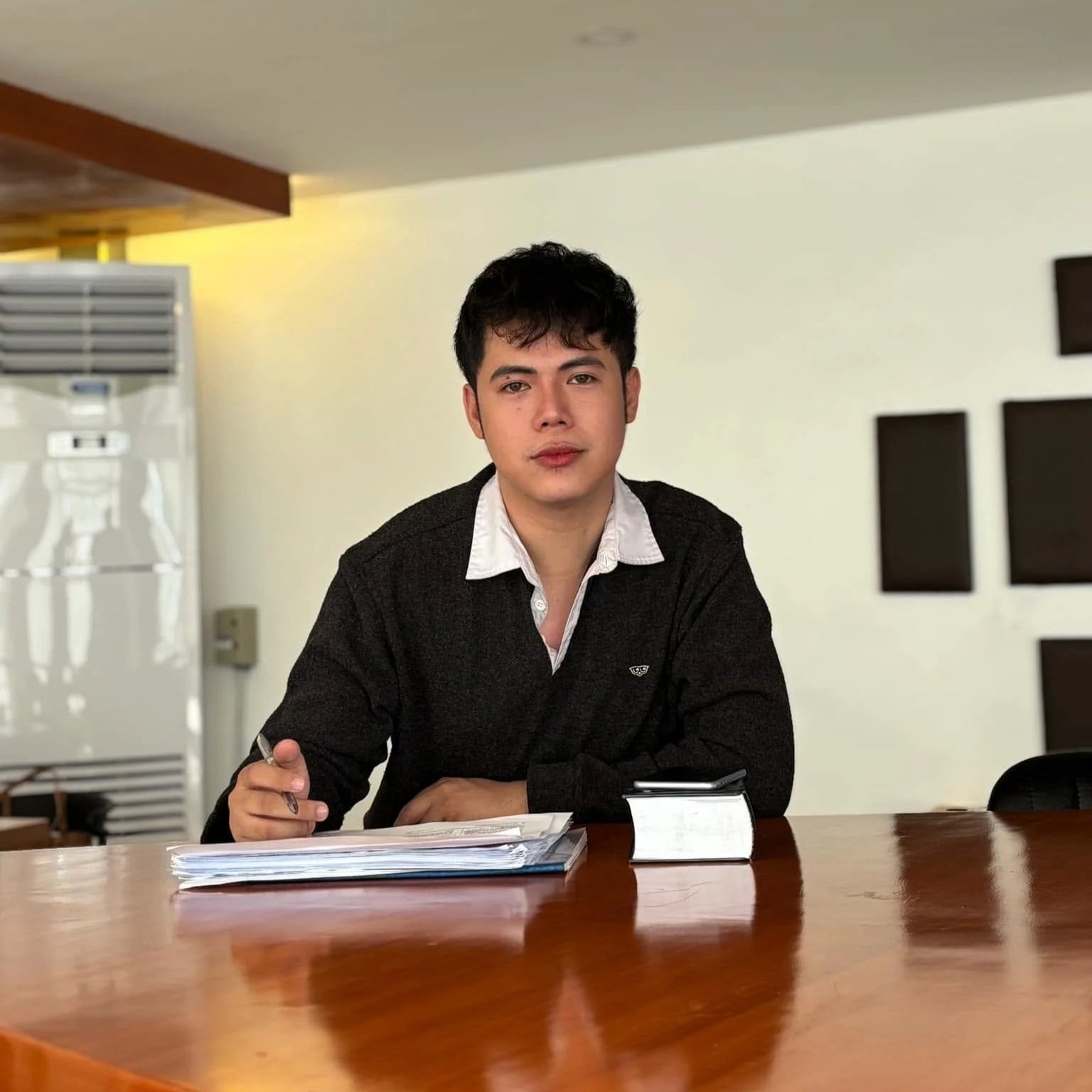
Growing up in the Tagakaolo Indigenous community, Sheruel Matalangdan has dedicated his work to protecting children, strengthening Indigenous leadership, and transforming research into community-led action rooted in dignity, culture, and justice.
For Sheruel Matalngdan, a Tagakaolo peacebuilder, peace is far more than the absence of conflict—it is the freedom of every Indigenous child to dream, every woman to be heard, and every community to shape its own future. Blending cultural preservation, education, public policy, and child protection, Sheruel works at the intersection of ancestral knowledge and social change. From documenting oral traditions and strengthening Indigenous governance to preventing child marriage and mentoring young leaders, his work demonstrates how lasting peace is built through dignity, courage, and deep respect for community wisdom.
We invite you into Sheruel’s work in his own words. Breathe in the timeless wisdom and see the vision for what is possible when you honor community voices, lived experience, and shared leadership.
Background
Do you consider yourself a peacebuilder?
Yes, I consider myself a peacebuilder…not because I have solved every conflict, but because I have chosen to stand beside people whose pain is often unseen. As a member of the Tagakaolo tribe, I learned early that peace is not merely the silence of guns. Peace is dignity. It is the freedom of an Indigenous child to dream without being told that poverty, distance, gender, or tradition has already decided the limits of that dream.
For me, peacebuilding begins in small and deeply human moments: when an elder feels heard rather than studied; when a young woman speaks in a community dialogue without fear; when a government office begins to treat Indigenous knowledge as wisdom rather than an obstacle; and when a girl is allowed to remain a child instead of being pushed into marriage and adult responsibilities. I am still learning, still listening, and still becoming. But each day that I help create space for truth, protection, and participation, I know I am walking the path of peace.
How did you become involved in peacebuilding work?
My path began in public service, education, and community work in Indigenous areas. What first looked like a profession gradually became a calling. I saw that many conflicts in our communities were not always loud. Some appeared as a child quietly leaving school, a woman excluded from a decision, an elder whose knowledge was ignored, or a community repeatedly consulted but rarely allowed to shape policy.
My earlier research brought me closer to one of those quiet forms of violence. The issue could not be reduced to statistics. Behind every case was a young person whose childhood, schooling, health, and choices could be cut short. National studies likewise show that child marriage is linked with early pregnancy, interrupted education, lower employability, and greater exposure to violence; UNFPA reported that about one in six Filipina girls had married before age 18 (UNFPA Philippines, 2020). A later UNICEF qualitative study in Sulu and Tawi-Tawi found that poverty, social and religious expectations, family honor, and weak awareness or enforcement can reinforce early unions (UNICEF Philippines, 2025).
Those realities moved me from research toward action. Through initiatives such as LEARN and FAGPERIK: Kagtalusi sa Kabataan, I began developing culturally grounded legal-literacy sessions, youth and women’s leadership spaces, community dialogues, policy advocacy, and child-protection mechanisms in support of Republic Act No. 11596. I realized that a study should not end on a shelf. It must return to the people as knowledge, courage, and protection.
Who or what inspired you to choose the path of Peace?
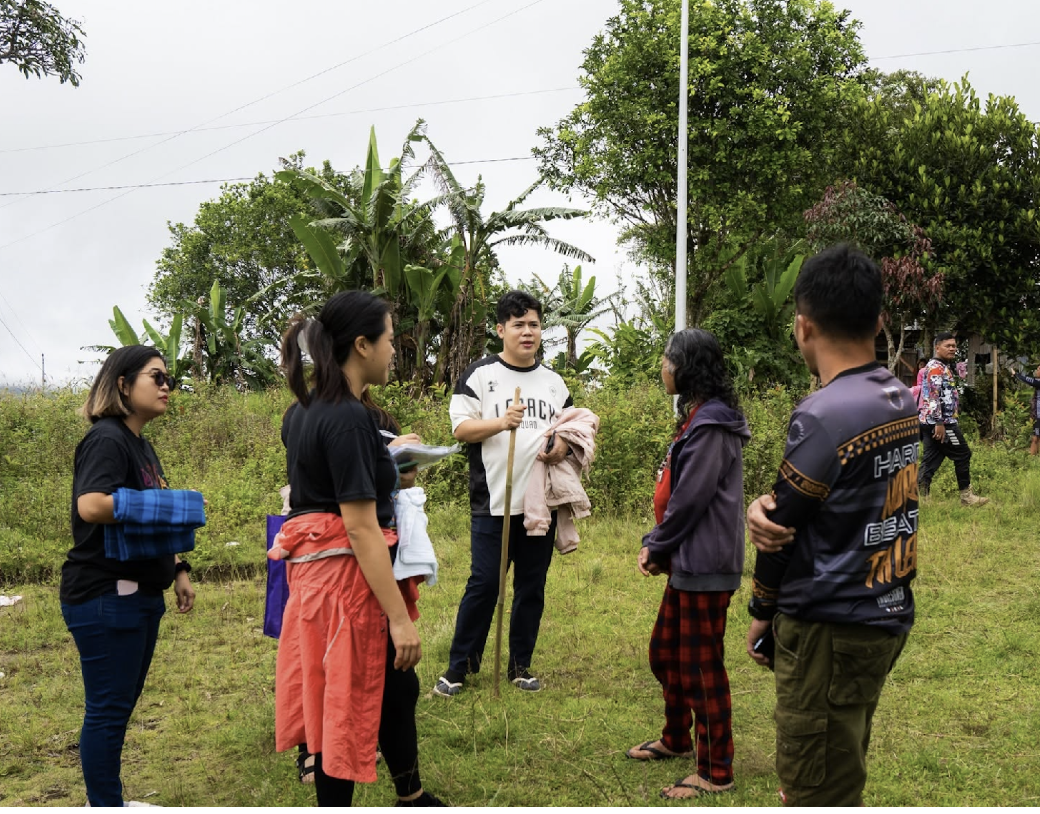
My first inspiration is the Indigenous community itself…the elders who preserve memory, the women who carry families through hardship, and the young people who continue to dream even when opportunities are scarce. The most powerful lessons did not always come from formal classrooms. They came from sitting in communities, listening to stories, and realizing that people do not need outsiders to speak for them; they need institutions willing to listen and leaders willing to walk with them.
I also draw inspiration from Tagakaolo oral traditions. In the different community tellings of Lumabet (Tagakaolo culture hero), the culture hero journeys beyond the ordinary world and confronts the consequences of leadership, choice, and human limitation. I do not treat Lumabet (Tagakaolo culture hero) merely as a character from the past. His story reminds me that a leader must be willing to travel difficult paths, carry the community’s hopes, and remain accountable for the direction in which others are led. Because oral narratives vary among communities and families, I approach each telling with humility and seek the guidance and consent of elders before documenting or sharing it.
The Tagakaolo understanding of Tyumanem (Creator or God) also shapes my sense that peacebuilding is a moral responsibility. Human beings are not owners of creation but stewards within a living relationship among people, land, ancestors, and the spiritual world. This worldview teaches me that peace must protect both human dignity and the integrity of the community’s environment and cultural memory.
One of the people who deeply inspired me is Fulong Fredo P. Basino. He was once my professor and later became a professional colleague and mentor in Indigenous governance and policy work. His life showed me that an Indigenous leader can move between the ancestral community and the halls of government without abandoning either. As Sarangani’s first provincial Indigenous Peoples Mandatory Representative, he helped advance consultations and the development of the province’s Indigenous Peoples welfare and development code. He also continued to defend Blaan identity and cultural dignity in public policy (Philippine News Agency, 2018; MindaNews, 2023).
What stayed with me was not only what he accomplished, but how he made leadership feel possible for people like me. Fulong Fredo taught me that peacebuilding must travel from the circle of community dialogue to the written policy, from oral history to institutional recognition, and from good intentions to budgets, programs, and accountability. He became proof that we can honor our ancestors while helping shape the future.
As you faced challenges, what helped you move forward in your path? Do you have any experiences that affirmed your desire to keep going?
The hardest challenges are often the ones that cannot be solved by a single seminar or law. Poverty, unequal power, fear of dishonoring tradition, limited resources, and distrust of institutions are woven together. In child-marriage advocacy, the work becomes especially delicate because we must protect children without humiliating communities or treating Indigenous culture as the enemy. We must be brave enough to confront harm and humble enough to listen.
“...peacebuilding rarely gives immediate victories. Sometimes the only sign of progress is that a conversation once considered impossible has finally begun...”
What keeps me moving is the moment when resistance begins to soften into reflection: when an elder says, “Perhaps there is another way”; when a parent understands that protecting a daughter means keeping her safe and in school; when a young person learns that the law recognizes their right to choose their future; or when a local leader agrees that culture can remain alive while practices that harm children are transformed.
I often remember the limukon (omen or warning bird), a bird whose call is interpreted in some Tagakaolo communities as a warning to pause, listen, and reconsider a journey. For me, the limukon (omen or warning bird) has become a peacebuilding metaphor: not every urgent path should be taken immediately, and wisdom sometimes begins by stopping long enough to hear what the community, the land, and the most vulnerable are saying.
I have also learned to accept that peacebuilding rarely gives immediate victories. Sometimes the only sign of progress is that a conversation once considered impossible has finally begun. Yet that beginning matters. Each honest dialogue affirms my belief that communities are capable of change when they are approached with respect rather than condemnation.
2. Current Work
Do you have a specific area of focus in your work?
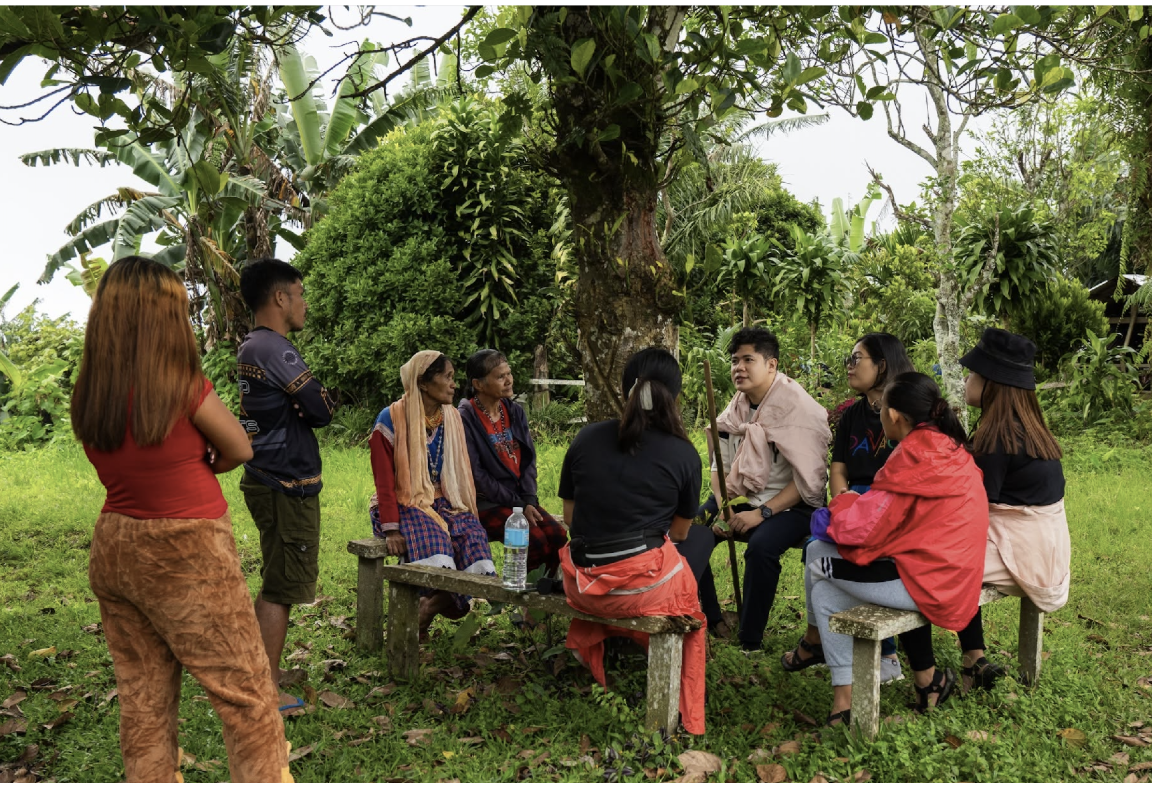
My work focuses on Indigenous Peoples, especially youth, women, and children, through education, cultural preservation, community development, and participatory governance. These areas are inseparable. A child cannot learn well when unsafe. A woman cannot participate fully when her voice is restricted. A community cannot experience lasting peace when its identity is erased, its land is threatened, or its knowledge is excluded from decision-making.
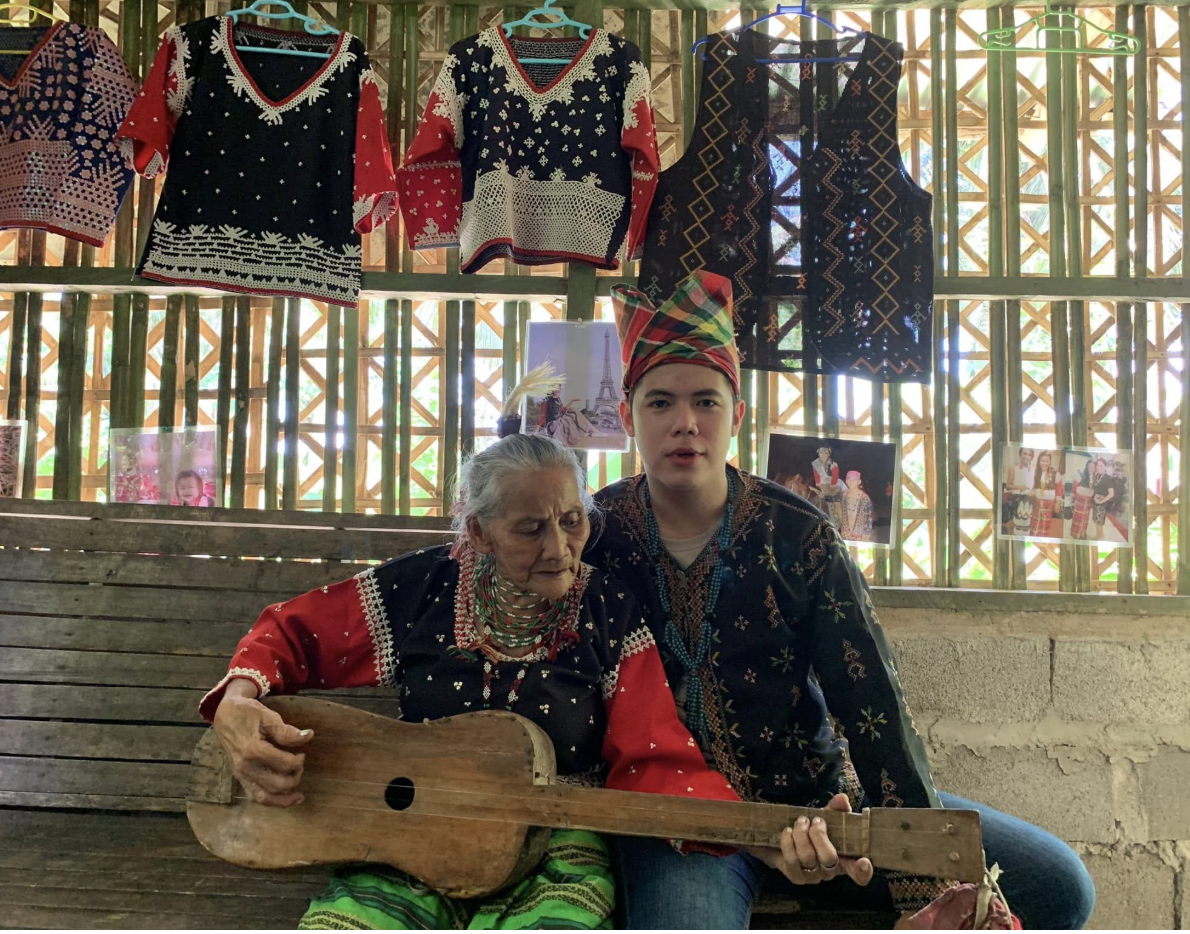
An important part of this work is the protection and transmission of Tagakaolo salin-labi (oral traditions). Stories such as Ang Kuwento ni Lumabet (The Story of Lumabet), Ang Bayaw ni Lumabet (Lumabet’s Brother-in-Law), Si Binaw (Binaw), Ang Prutas na Makupa (The Makupa Fruit), Sibulan (a proper name and story title), and Ang Sayaw na Edel (The Edel Dance) carry lessons on courage, compassion, cooperation, leadership, spirituality, survival, and community responsibility. They are not simply entertainment; they are living classrooms through which elders teach younger generations how to relate to others and to the natural and spiritual worlds.
I am particularly committed to preventing child marriage and strengthening Indigenous youth leadership. I also work on documenting Indigenous Knowledge Systems and Practices, supporting cultural transmission, and helping create policies that are both rights-based and culturally respectful. My goal is not to replace Indigenous ways with outside solutions, but to help communities distinguish between the values that sustain life and dignity and the practices that may need to evolve to protect the next generation.
What does your work as a peace leader look like in your current context? Share examples of workshops, events, initiatives, or daily work.
In my context, peace leadership means moving constantly between the classroom, the community, and government institutions. It includes teaching students to see public administration as service, facilitating conversations with Indigenous leaders, translating laws into language people can understand, documenting stories and practices with consent, and helping communities turn their priorities into policies and programs.
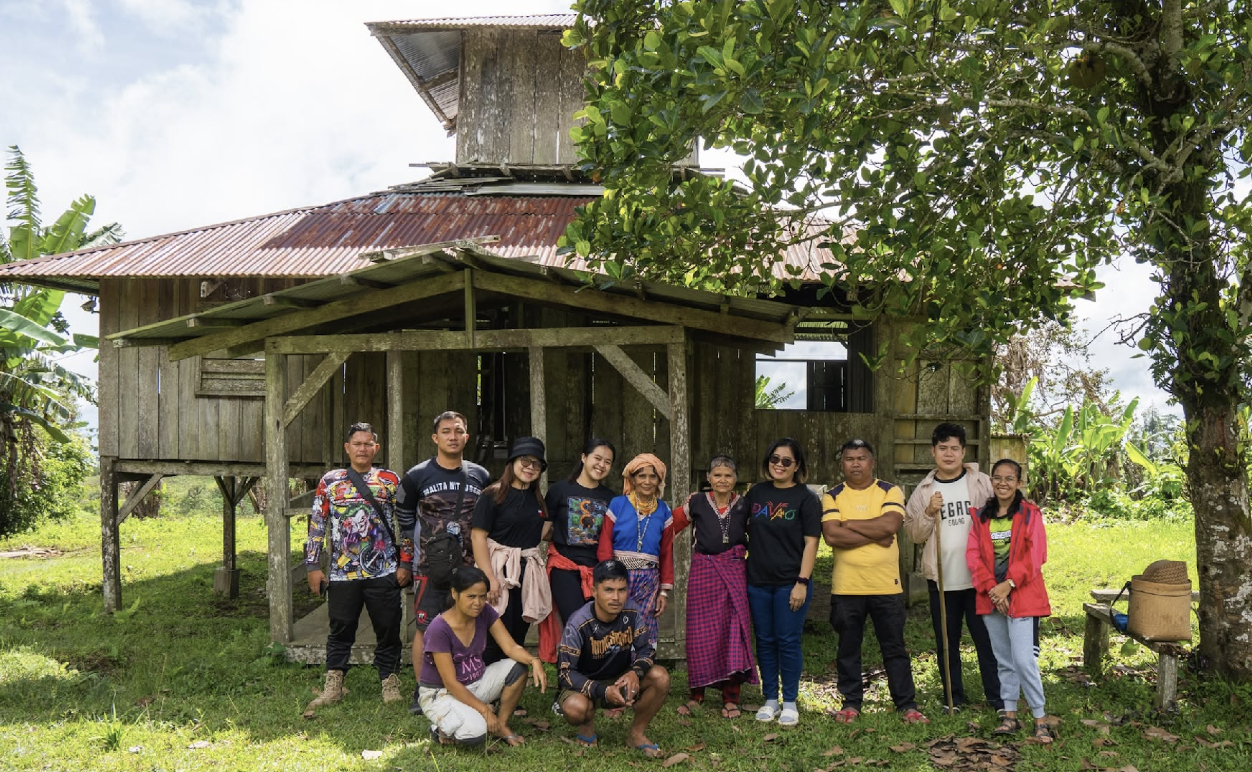
In community gatherings, I also recognize the value of culturally meaningful processes such as panawag-tawag (ceremonial invocation), a ritual dialogue used on important occasions. A manubagtubag (ritual invoker or specialist) may lead this invocation and call upon the blessings of Tyumanem (Creator or God). Such practices remind institutions that dialogue with Indigenous communities should not be reduced to attendance sheets and signatures; it must create respectful space for spirituality, customary authority, and community-defined protocols.
Through LEARN and FAGPERIK, the work includes culturally sensitive sessions on Republic Act No. 11596, intergenerational dialogues with elders, parents, women, and youth, leadership development for young advocates, proposed mobile legal clinics, radio and social-media information campaigns, policy discussions with local governments and the NCIP, and the exploration of alternative rites of passage that affirm culture without placing children in marriage. Republic Act No. 11596 itself recognizes that ending child marriage requires more than punishment; it calls for children’s empowerment, education, economic support, and strategic engagement with parents and community leaders through culturally appropriate programs (Republic Act No. 11596, 2021).
My daily work may appear ordinary…writing a proposal, revising a module, meeting a community leader, mentoring a student, or following up on a partnership. But peace is often built through these ordinary acts repeated with patience. Each document can become a doorway. Each meeting can become a bridge. Each lesson can help a young person discover that they are not powerless.
What are you most proud of so far?
I am most proud that my work tries to bridge research and real community action. I do not want research to describe the suffering of Indigenous people and then leave them unchanged. I want it to return as a workshop, a policy recommendation, a child-protection mechanism, a livelihood pathway, a cultural archive, or a stronger voice in governance.
The child-marriage work is especially close to my heart. I am proud that it frames Indigenous communities not as problems to be corrected, but as partners capable of protecting their own children. The deepest success will never be a certificate or a completed report. It will be a girl who remains in school, a boy who learns that masculinity does not require control, a parent who chooses education over early marriage, and an elder who publicly declares that the safety of children is also an Indigenous value.
I am also proud whenever young Indigenous people see themselves not merely as beneficiaries, but as researchers, advocates, teachers, artists, and future policymakers. When they begin to believe that their voice belongs in the room, peace has already begun.
I am especially proud when a young Tagakaolo learns the name of Lumabet (Tagakaolo culture hero), understands why elders listen to the limukon (omen or warning bird), hears the word Tyumanem (Creator or God) spoken with reverence, or discovers that roles such as the mananamok (traditional birth attendant or midwife) represent generations of women’s knowledge and care. Cultural confidence can protect young people from shame and help them engage modern institutions without abandoning who they are.
3. Peace Practice
How would you define peace?
Peace is the presence of justice and hope. A community may look calm while a child is silenced, a woman is afraid, or a culture is disappearing. That is not peace.
Peace is when a young girl finishes her education before being asked to become a wife. It is when Indigenous peoples can practice their culture without discrimination and can also openly examine traditions that may cause harm. It is when development is not imposed but shaped with the community. It is when disagreement does not lead to dehumanization, and when the most vulnerable person is not treated as expendable.
For me, peace is relational. It is restored when people learn to see one another again not as enemies, statistics, or obstacles, but as human beings whose lives are connected.
In a Tagakaolo sense, relational peace also means balance: with Tyumanem (Creator or God), with the community, with elders and children, with the land, and with the stories entrusted to each generation. When one relationship is harmed, the whole community feels the imbalance; when dignity is restored, peace becomes something lived rather than merely declared.
What, if any, regular practices do you have to foster peace in yourself?
I foster peace in myself through prayer, reflection, listening, and returning to the community. I remind myself that I am not the savior of any community. My responsibility is to be present, to learn, to use whatever education and position I have with integrity, and to make room for others to lead.
When the work becomes heavy, I pause and remember the people behind the documents: the child whose future may depend on whether adults act, the elder who entrusted a story to me, the student waiting to be encouraged, and the family hoping that government will finally listen. I also draw strength from my Indigenous identity and from the resilience passed down by my family and ancestors.
“For me, peace is relational. It is restored when people learn to see one another again not as enemies, statistics, or obstacles, but as human beings whose lives are connected.”
Sometimes I remember Lumabet’s journey (the journey of the Tagakaolo culture hero) and the limukon’s warning (the omen bird’s warning). One teaches me to keep walking with courage; the other teaches me when to stop and listen. Together, they remind me that peace leadership requires both movement and discernment.
Peace within myself does not mean I never feel anger or exhaustion. It means I try to transform those emotions into disciplined action rather than bitterness. I choose to rest without abandoning the work, and to speak firmly without losing compassion.
What keeps you in this work and motivates you to continue?
I stay because the work is unfinished. Somewhere, a child may still be told that marriage is the only future available. Somewhere, an Indigenous learner may still feel ashamed of their language. Somewhere, a woman may still be present in a meeting but absent from the decision. I cannot know these realities and simply look away.
The young people keep me in this work. Their courage reminds me that every generation deserves more choices than the generation before it. The elders also keep me grounded. They remind me that change without memory becomes rootless, but tradition without compassion can become a burden. Peacebuilding asks us to hold both truths.
I want young Tagakaolo to inherit more than the names of our stories. I want them to inherit the confidence to interpret those stories, question respectfully, protect what gives life, and transform what causes harm. Cultural continuity is strongest when the next generation is not forced to choose between identity and safety.
I am motivated by the possibility that one policy, one conversation, or one courageous community leader can interrupt a cycle of harm. We may not witness every result, but we plant seeds in institutions and in people. That is enough reason to continue.
What vision do you hold for yourself, your community, your organization, and beyond?
I envision Indigenous communities where children grow up protected, educated, proud of their identity, and free to choose their future. I envision women and youth seated not at the margins of consultation but at the center of decision-making. I envision elders and public institutions working together to preserve language, land, stories, and healing knowledge while courageously transforming practices that undermine dignity or safety.
For myself, I hope to remain a bridge…between research and policy, tradition and human rights, community wisdom and formal institutions. For Davao del Sur State College and the organizations I serve, I envision learning spaces that do not merely study Indigenous communities but stand accountable to them. Beyond my region, I hope our work can show that culturally grounded peacebuilding is possible: we do not have to choose between respecting culture and protecting children. True cultural respect protects life, dignity, and the future.
How can we best support your work? Are there any resources or organizations that you support or you have been supported by that you’d like to share with our community?
The best support is sustained partnership rather than one-time visibility. Community-based peace work needs resources for transportation to remote areas, translation into Indigenous languages, safe spaces for women and youth, legal-literacy materials, community documentation, small livelihood and education interventions, and long-term monitoring. It also needs institutions willing to fund Indigenous-led solutions and to respect free, prior, and informed consent.
I am grateful for the learning and solidarity offered by networks and institutions such as Mindanao Peacebuilding Institute, the Peace Practice Alliance, OPAPRU learning initiatives, Davao del Sur State College, the National Commission on Indigenous Peoples, local governments, and community-based Indigenous leaders and organizations. For child-marriage prevention, the evidence and advocacy resources of UNICEF, UNFPA, and Girls Not Brides are also valuable.
Most importantly, support the communities themselves. Listen to Indigenous women and young people. Invest in their ideas. Help them document their own stories, lead their own campaigns, and influence the policies that affect their lives. Sustainable peace does not arrive as a gift from outside; it grows when communities are trusted with power.
Support should also include elder-led and youth-assisted documentation of Tagakaolo language, oral narratives, ritual terms, place-based knowledge, and community histories. Documentation must remain subject to free, prior, and informed consent, cultural restrictions, and the community’s right to decide what may be shared publicly and what must remain protected.
What advice would you give to someone who is interested in becoming a peace leader?
Begin by listening. Do not enter a community carrying all the answers. Learn its history, language, pain, humor, and hope. Build relationships before programs. Ask who is missing from the conversation, who bears the risk, and who truly benefits from the decision.
Be courageous, but do not confuse courage with loudness. Some of the bravest peace work happens quietly: challenging a harmful belief with respect, defending a child when it is unpopular, admitting that your first approach was wrong, or staying in dialogue with someone who disagrees with you.
Let your compassion become structure. A good heart is not enough; translate it into research, budgets, policies, institutions, and accountability. Fulong Fredo Basino’s example taught me that Indigenous stories must not remain ceremonial words…they must shape governance. And the children affected by early marriage taught me that urgency must never lose tenderness.
Finally, protect your hope. Peacebuilding is slow, and you will not complete it alone. Walk with others, honor those who came before you, and leave the path wider for those who will come after.
Like the Tagakaolo stories passed from one generation to another, peace work survives because someone chooses to remember, retell, and live its lessons. Be like Lumabet (Tagakaolo culture hero) when courage is required, and listen for the limukon (omen or warning bird) when the path demands caution.
Tagakaolo Cultural Stories and Terminologies
The Tagakaolo words and phrases below are followed by their English translations in parentheses. Meanings, spellings, and appropriate public use may vary across Tagakaolo communities and should be validated with recognized elders and language bearers.
Lumabet (Tagakaolo hero) - A prominent culture hero in Tagakaolo oral narratives. Different tellings connect his journey with leadership, courage, human limitation, spirituality, and the consequences of one’s choices.
Tyumanem (Creator or God) - The Creator or God in Tagakaolo belief and ritual language.
Limukon (omen or warning bird) - A bird regarded in some Tagakaolo communities as a bearer of signs or warnings. Its call may prompt a traveler to pause or reconsider a journey.
Panawag-tawag (ceremonial invocation) - A ceremonial invocation or form of ritual communication performed during important gatherings or occasions.
Manubagtubag (ritual invoker or specialist) - A ritual specialist who may perform the panawag-tawag (ceremonial invocation) and invoke the blessings of Tyumanem (Creator or God).
Mananamok (traditional birth attendant or midwife) - A Tagakaolo traditional birth attendant or midwife; a holder of women’s health, childbirth, and community-care knowledge.
Edel (traditional healing dance or ritual) - A traditional healing dance or ritual practiced in some Tagakaolo communities and also preserved in oral narratives.
Salin-labi (oral tradition) — Oral tradition or narratives transmitted by word of mouth from elders to succeeding generations. In the document, the term is used to emphasize living, community-held knowledge.
Tagakawlo / Tagakaolo / Tagakaulo (spelling variants of the ethnolinguistic group and language) - Recorded spelling variants for the ethnolinguistic group and language. This document uses “Tagakaolo” consistently, while respecting locally preferred forms.
Selected References
MindaNews. (2023, May 16). IP advocates: No apostrophes in Blaan, Tboli. https://mindanews.com/top-stories/2023/05/ip-advocates-no-apostrophes-in-blaan-tboli/
Philippine News Agency. (2018, June 20). Sarangani eyes first welfare, development code for IPs. https://www.pna.gov.ph/articles/1038085
Republic Act No. 11596. (2021). An Act Prohibiting the Practice of Child Marriage and Imposing Penalties for Violations Thereof. https://lawphil.net/statutes/repacts/ra2021/ra_11596_2021.html
UNFPA Philippines. (2020). #GirlsNotBrides: Ending Child Marriage in the Philippines. https://philippines.unfpa.org/en/publications/girlsnotbrides-ending-child-marriage-philippines
UNICEF Philippines. (2025). Understanding Factors Driving Child, Early, and Forced Marriage and Unions (CEFMU): A Qualitative Research. https://www.unicef.org/philippines/reports/understanding-factors-driving-child-early-and-forced-marriage-and-unions-cefmu
Precellas, L. B. C., & Palma, R. C. (2022). Naratibong Salin-Labi ng mga Tagakaulo at ang mga Edukasyonal na Implikasyon. University of Mindanao International Multidisciplinary Research Journal, 7(1), 77–89.
Philippine Traditional Knowledge Digital Library on Health. (n.d.). Tagakaolo practices and ritual descriptions, including Panawag-tawag, Tyumanem, Manubagtubag, and Mananamok.
Komisyon sa Wikang Filipino. (2023). Tagakawlo: language profile and recorded spelling variants.