
Peace Is Built
One Woman’s Commitment to a More Peaceful Ecuador
What does it take to build peace when violence is rising and safe spaces are shrinking? For Andrea, a Peace Practice Alliance alum and member of the Euphrates family, the answer begins within and extends into the communities around her. In her home country of Ecuador, she is working to expand opportunities for young people and advance human dignity. In her own words, Andrea shares the experiences, faith, and conviction that guide her vital work.
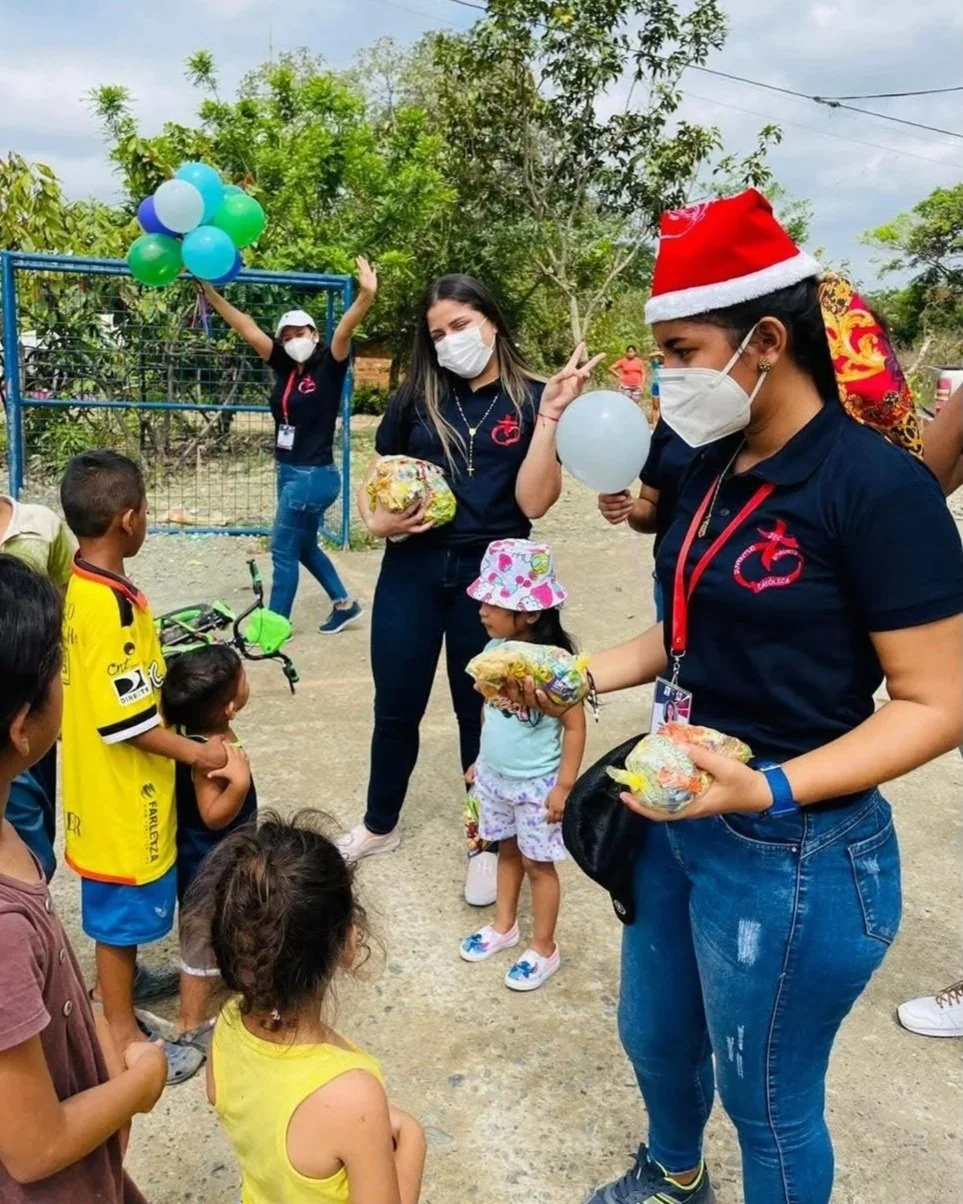
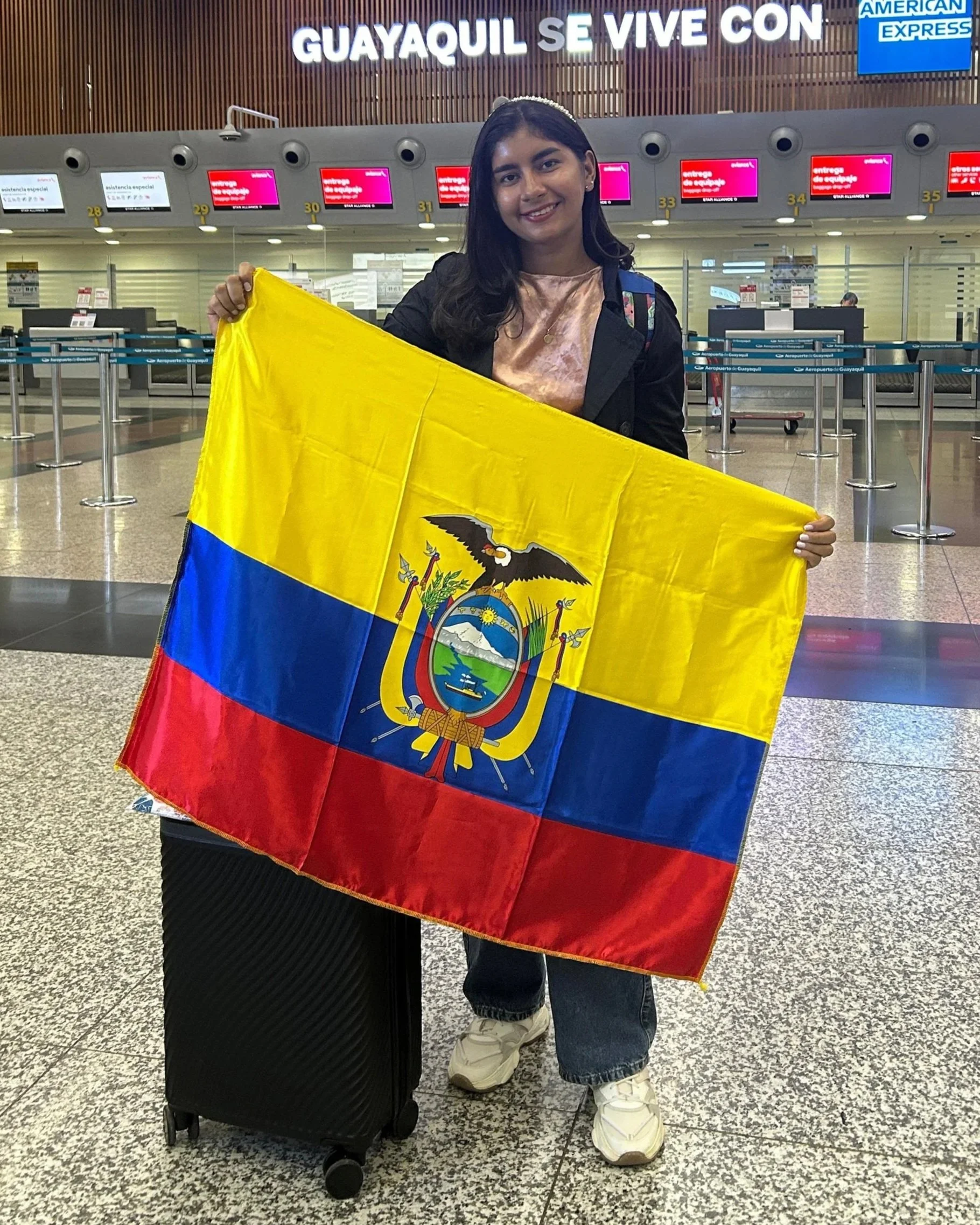
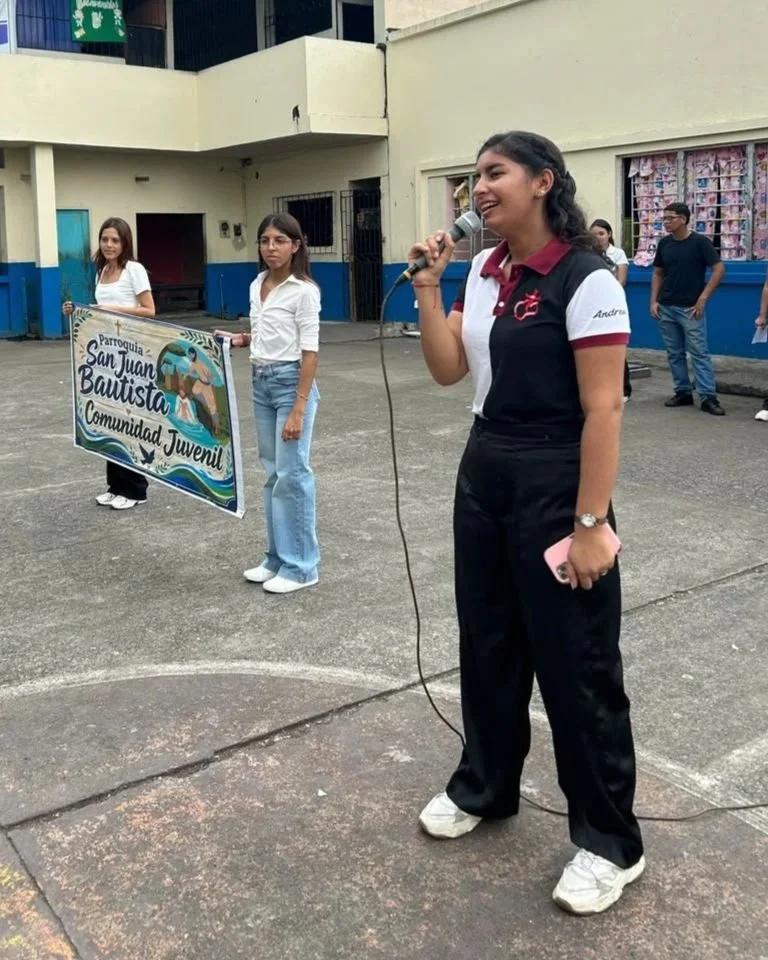
I grew up surrounded by privileges that extend far beyond material wealth. Despite living in a rural area, having the opportunity to study in urban settings allowed me to understand diverse social realities. Across all of them, there is a common thread: no matter how difficult the circumstances, Ecuadorians possess an unyielding resilience. Recognizing the rising violence in my country and the shrinking spaces where we can safely express ourselves was a turning point in my life.
As a Catholic woman and a person of faith, my spirituality is one of the anchors of my daily life. Caring for my faith and inner world does not only sustain me personally; it was that very pursuit that led me to serve directly as Secretary for Youth Ministry of my diocese for two years. That journey taught me to translate prayer and reflection into concrete community action, reminding me that to be an instrument of peace outwardly, I must first cultivate serenity, discipline, and empathy inward. I also realized how crucial it is not just to offer young people safe havens, but to work alongside them and help them see how their energy and talents can make their communities more peaceful.
For me, peace goes far beyond the absence of armed conflict or the lack of physical violence in the streets. True peace begins within each individual; it is a state of inner balance, empathy, and ethical coherence that is reflected in how we relate to others. It is not a static concept that simply "exists," but a living process cultivated through daily choices from how we actively listen to others and resolve everyday disagreements with respect, to our commitment to guaranteeing the dignity and rights of those around us. Peace is the continuous effort and assurance of building a safe environment for everyone.
My current work focuses primarily on the intersection of youth empowerment, public sector ethics, and gender equality. I do not view these areas in isolation; I am convinced that protecting women and opening real opportunities for young people requires transparent, human-centered institutions. In this framework, my core philosophy is treating human rights not as abstract rhetoric or a mere compliance checklist, but as the ultimate goal, the tangible destination that every project, public policy, or community space must reach to ensure people live with full dignity. In co-founding the Ecuadorian Network for the Strengthening of Public Service (RedEc) alongside fellow alumni from the Botín Foundation program, I aim to launch youth-led initiatives aimed at revitalizing public ethics and restoring trust in our institutions.
I am most proud of my ability to connect legal rigor and institutional frameworks with the daily realities of people in their communities. Whether through leading human rights education initiatives in vulnerable neighborhoods, mentoring local parish youth today, or supporting initiatives that recognize exemplary public service, my greatest satisfaction comes from seeing abstract principles become tangible protection. I am deeply proud to witness that when we show a young person or a public servant that their daily choices can build safe environments and open doors, we prove that peace is not preached, it is built by guaranteeing the dignity of every human being.
I have a firm conviction that things truly change when we dare to act, alongside the spirit of people who refuse to give up. In a country facing deep uncertainty, I am motivated by seeing how young people and local communities respond with resilience when given real tools and safe environments. I am motivated by the knowledge that my legal training, my voice, and my daily actions can serve as concrete tools to build bridges, unlock opportunities, and ensure that human rights are never a privilege for a few, but a lived reality for all. I remain on this path because I believe in my country, I believe in the youth, and I am convinced that investing in peace is the only way to secure a just future for all.
Ecuador is geographically small, but immense in culture and heart. My beautiful country is worth fighting for, and that is why I refuse to give up: for all the young people currently vulnerable to conflict, who deeply deserve our investment, effort, and commitment to their future.
How can we best support your work? Are there any resources or organizations that you support or you have been supported by that you’d like to share with our community?
The best way to support my work is by building collaborative networks, providing strategic mentorship, and opening access to funding or technical capacity-building for youth-led social impact projects. Throughout my journey, I have been deeply privileged to be supported by and learn from remarkable organizations and programs that I warmly recommend to this community: the Botín Foundation’s Program for the Strengthening of Public Service in Latin America, the Peace Practice Alliance, the Kectil Leadership Program, and the educational resources of the Inter-American Human Rights System (IACHR / IACtHR). Platforms like these prove the transformative power of investing in youth dedicated to public good.