
Peace is a Human Right
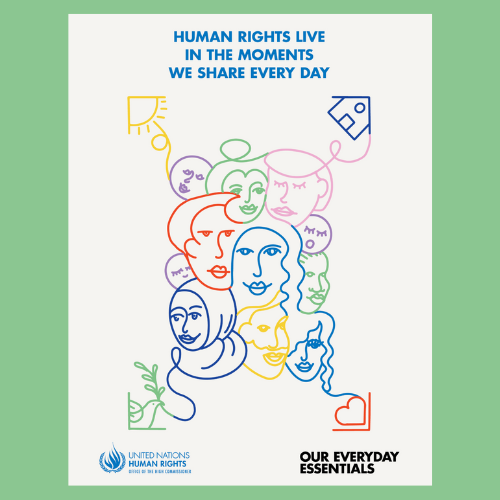
Human Rights Day reminds us of a long global journey toward recognizing the dignity and freedoms inherent to every person. At the entrance of the United Nations stands the Cyrus the Great Cylinder, often described as one of the earliest declarations of human rights. It affirmed principles such as freedom of movement, freedom of religion, and respect for diverse peoples ' values that would echo across centuries.
From the ideals of the French Revolution, which demanded liberty, equality, and fraternity, to bold movements around the world that challenged tyranny and injustice, humanity has slowly shaped a shared moral vocabulary. After the devastation of World War II, the global community came together to articulate these principles in the Universal Declaration of Human Rights, with its 31 articles outlining protections for all people, rights to life, dignity, work, education, and protections for vulnerable groups, including refugees and displaced persons.
Yet these rights remain aspirations unless they are embraced everywhere. Human rights have meaning only when nations, institutions, and individuals commit to honoring them in practice, not just in principle.
A central right, often forgotten but urgently needed, is the right to peace. At the Euphrates Institute, we believe that peace is not simply the absence of conflict, but the presence of justice, compassion, and shared humanity. The right to peace means ensuring people can live free from fear, violence, and oppression; it means nurturing communities where dignity is upheld, and differences are respected.

On this Human Rights Day, we recommit ourselves to advancing peace—within ourselves, in our communities, and across the world. Peace is not only a right; it is a responsibility we share, and a future we choose to create together.
~ Fran Faraz, Euphrates Board, Global Citizen